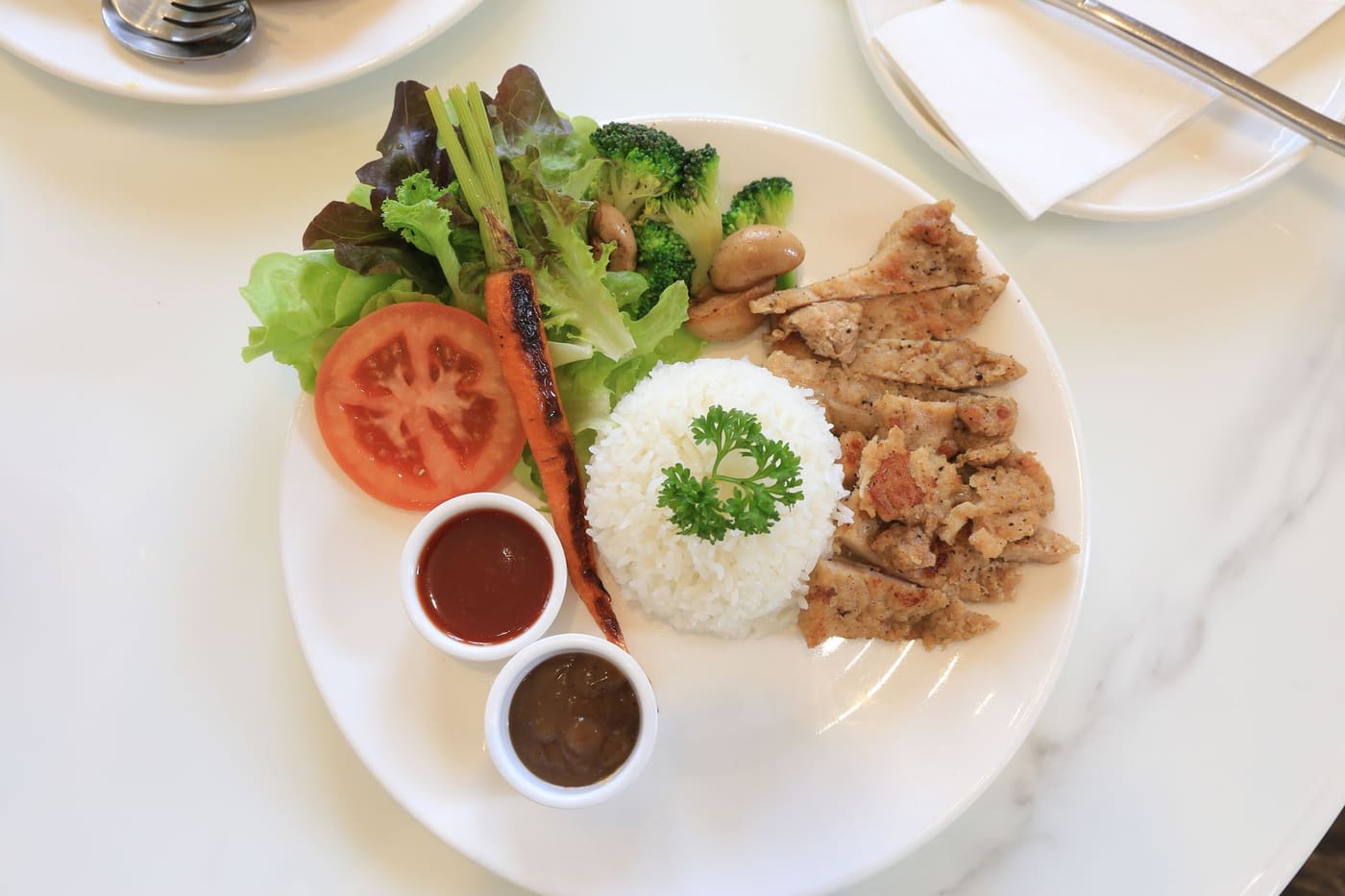
The nutrition habits that help energy most are eating enough overall, building meals around protein, fiber, and minimally processed carbohydrates, spacing meals so blood sugar stays steadier, and drinking enough fluids. Eating enough matters more than any single “energy food,” and no supplement replaces the basics.
Persistent tiredness is common, and nutrition is only one possible cause. Sleep, stress, activity level, medications, and medical conditions all play a role. But if your diet is erratic, with skipped breakfasts, a vending-machine lunch, and a huge late dinner, fixing it is cheap, low-risk, and often noticeable. This guide covers the habits that move the needle and the ones that do not.
Why food affects energy
Your body runs on calories, and carbohydrates, fats, and protein are all used for fuel. Energy availability across the day depends on how much you eat, what you eat, and when. A few mechanisms matter most:
- Total intake. Under-eating, especially when you train, leaves you tired and slows recovery.
- Blood sugar swings. Large amounts of fast-digesting sugar and refined carbs can cause a quick rise in blood glucose followed by a dip, which many people feel as a crash, hunger, or irritability. Pairing carbs with protein, fiber, or fat slows digestion and tends to flatten the curve.
- Nutrient gaps. Low iron, vitamin B12, or vitamin D can contribute to fatigue, but these are best checked with a blood test instead of guessed at.
- Hydration. Even mild dehydration can make you feel sluggish and affect concentration.
Eat enough, and eat regularly
Chronic under-eating is more common than people think, especially among men dieting hard, skipping meals during busy workdays, or training heavily. Calorie needs vary widely with size, age, and activity, so use hunger, energy, and weight trends rather than a fixed number.
Practical habits:
- Do not skip meals by default. Three meals, or two meals plus planned snacks, work for most people. Some people feel fine with intermittent fasting, but if you notice afternoon slumps or irritability, a more regular pattern is worth testing.
- Space meals to match your hunger rather than going many hours without eating and then overeating.
- Avoid the huge late meal. A very large dinner close to bedtime can disrupt sleep for some people, which then costs you energy the next day.
If you are losing weight, a moderate deficit is generally easier to live with than a severe one. Crash diets often lead to fatigue, poor training, and rebound eating.
Build meals around protein
Protein supports muscle maintenance, and it increases fullness, which helps prevent grazing and cravings. The US Recommended Dietary Allowance is 0.8 grams per kilogram of body weight per day, which is a minimum to prevent deficiency. People who train hard are often advised to eat more than that by sports nutrition groups; a registered dietitian can set a figure for you.

A simple approach is to include a protein food at every meal. Approximate amounts in common foods:
| Food | Approximate protein |
|---|---|
| 3 large eggs | 18 g |
| 6 oz (170 g) cooked chicken breast | about 40 g |
| 1 cup (about 225 g) plain Greek yogurt | 20 to 25 g |
| 1 can (5 oz) tuna | about 25 g |
| 1 cup cooked lentils | about 18 g |
| 3 oz (85 g) cooked salmon | about 20 g |
| 1 cup cottage cheese | about 25 g |
Treat these as ballpark values, since brands and preparation vary. Men with kidney disease should ask a clinician before significantly raising protein intake.
Prioritize fiber and slower carbohydrates
Carbohydrates are not the enemy of energy. They are the body’s preferred quick fuel, especially for training. The goal is choosing forms that digest more slowly and come with fiber.
The Dietary Reference Intakes set adequate fiber at about 38 grams a day for men aged 50 or under and 30 grams for men over 50, and most people in the US eat less. Good sources include:
- Oats, barley, and brown rice.
- Beans, lentils, and chickpeas.
- Vegetables and fruit, including the skins when edible.
- Whole-grain bread.
- Nuts and seeds.
Increase fiber gradually over a couple of weeks and drink water with it, since a sudden jump can cause gas and bloating. Compare these swaps:
- White toast and jam versus oatmeal with nuts and berries.
- Sugary cereal versus Greek yogurt with fruit and granola.
- A bag of chips versus an apple with peanut butter.
The second option in each pair has more protein, fat, or fiber, which usually means steadier energy and fewer cravings.
Hydration and caffeine
Water needs vary with body size, climate, and activity. The National Academies set an adequate intake of about 3.7 liters of total fluid a day for adult men, which includes water from food and other drinks; it is a general figure, not a target to force. A practical check is pale yellow urine and rarely feeling thirsty. Drink more when you sweat heavily.
Caffeine can help alertness, and the FDA says up to about 400 milligrams a day (roughly four to five cups of coffee) is generally not associated with negative effects for most healthy adults. Problems start when caffeine masks short sleep:
- Stop caffeine at least 6 to 8 hours before bed if it affects your sleep.
- Avoid using several energy drinks a day. They can contain large amounts of caffeine and sugar, so check the label.
- Notice jitters, a racing heart, or anxiety, and cut back if they appear.
Alcohol deserves a mention too. Even moderate evening drinking can fragment sleep and leave you more tired the next day. US dietary guidelines advise that drinking less is better for health than drinking more; check the current edition for the exact wording.
Plan so you actually do it
Habits only help if they survive a busy week. Reduce decisions by planning a few defaults:
- Breakfast: eggs and fruit, Greek yogurt with oats, or a protein smoothie.
- Lunch: a plate with a protein, a vegetable, and a carbohydrate, such as chicken, rice, and broccoli, or a bean-and-vegetable bowl.
- Snacks: nuts, fruit, string cheese, jerky, or yogurt.
- Dinner: protein plus vegetables, finished at least 2 to 3 hours before bed when possible.
Batch cooking on a Sunday, such as a tray of roasted vegetables, a pot of rice, and cooked chicken, makes the weekday version almost effortless.
Food works alongside movement. Regular training improves energy, appetite regulation, and sleep, which is why the fitness basics for men over 30 pair well with these habits.
What does not do much
- “Energy” supplements and boosters. Most proprietary blends rely on caffeine plus marketing. Vitamins help only if you are actually deficient.
- Extreme diets. Very low-calorie, very low-carb, or elimination diets can leave you tired, especially at first.
- One superfood. No single food fixes low energy.
- Testosterone boosters. Fatigue has many causes, and low testosterone symptoms overlap heavily with sleep, stress, and diet problems. Check the basics and talk to a clinician before buying anything.
When food is not the problem
If your diet is reasonable and you are still exhausted, look beyond food. Chronic stress and burnout are common causes of persistent fatigue, as covered in how to tell if burnout is affecting your health. Sleep apnea, thyroid disease, anemia, diabetes, depression, and medication side effects are other possibilities.
See a doctor if:
- Fatigue lasts more than a few weeks despite adequate sleep and eating.
- You have unexplained weight loss or gain, or extreme thirst and frequent urination, which can point to diabetes.
- You notice loud snoring with pauses in breathing, or you fall asleep during the day.
- You have shortness of breath, chest discomfort, palpitations, or fainting. These need urgent care.
- You see blood in your stool, or have black stools or persistent abdominal pain.
- Your mood is persistently low or you have thoughts of self-harm. In the US you can call or text 988 at any time.
This article is general information, not medical advice. Talk to a qualified clinician about your own situation.
Where this comes from
This guide draws on the Dietary Guidelines for Americans, the National Academies’ Dietary Reference Intakes for fiber, protein and water, and the FDA’s statement on caffeine intake. Food protein amounts are approximate values from standard nutrient databases and vary by brand and preparation. Dietary guidance is revised periodically, so check current figures at the source.